
Root Canals in Woodstock, GA
Save your natural tooth and end the pain — with a procedure that’s far more comfortable than its reputation suggests.
The Procedure That Saves Your Tooth
Why You Might Need a Root Canal
When the inner pulp of a tooth becomes infected — usually from deep decay, a crack, or trauma — a root canal is what saves the tooth from needing to be removed. Common signs include persistent toothache, sensitivity to hot or cold that lingers, swelling near the tooth, or darkening of the tooth itself. The good news? A root canal removes the infection, ends the pain, and lets you keep your natural tooth.
What the Procedure Actually Feels Like
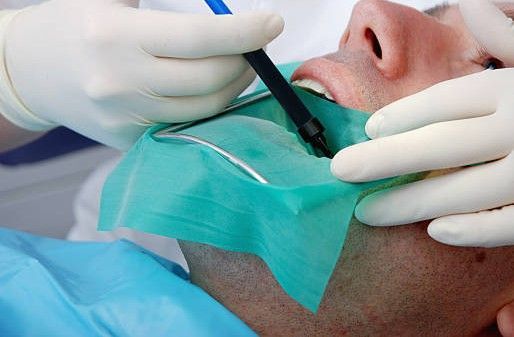
Most patients are surprised by how comfortable a root canal really is. We use local anesthetic to fully numb the area, so the procedure itself shouldn’t be painful — and most patients describe it as no different from getting a filling. We offer additional comfort measures when needed. Once the infected pulp is removed and the tooth is sealed, the original pain typically resolves quickly.
What Comes Next
After your root canal, the tooth itself has been saved — but it's also more fragile than it was before. Removing the inner pulp leaves the outer tooth structure without the internal support it used to have, which means it's more prone to cracking under normal chewing pressure. That's why we almost always recommend placing a dental crown on a tooth that's had a root canal. The crown protects what's underneath, restores full chewing strength, and blends naturally with the rest of your smile. We'll plan the timing with you, and handle the crown right here — custom-crafted in the USA, designed to look like it belongs.
What is a root canal?
A root canal is a dental procedure that removes infected or damaged tissue from inside a tooth, then cleans, disinfects, and seals the inner space. It’s used to save a tooth that would otherwise need to be removed due to infection or deep damage. After a root canal, the tooth is typically restored with a crown to protect it long-term.
How much does a root canal cost in Woodstock, GA?
The cost of a root canal depends on which tooth is being treated and the complexity of the case. We accept Delta Dental and file out-of-network claims for most other plans. Our In-Office Savings Program offers a discount on root canals when you add the Plus Program, and we accept CareCredit, Sunbit, and Cherry for financing.
Do root canals hurt?
Despite their reputation, root canals are typically very comfortable. The procedure is performed with local anesthetic, so you shouldn’t feel pain during treatment. The pain people associate with root canals usually comes from the infection beforehand — and the procedure is what brings relief. Mild soreness for a day or two afterward is normal.
How long does a root canal take?
Most root canals can be completed in a single appointment lasting 60 to 90 minutes, depending on the tooth and the complexity of the case. Some cases may require a second visit. After the root canal is completed, you’ll come back in to have a permanent crown placed on the tooth.


Beautiful Work. Honest Care. Since 1988.
➤ New patients welcome (ages 3 and up)
➤ In-Office Savings Program available
➤ Honest treatment plans - not dictated by insurance
➤ All materials made in the USA by local labs
See Your New Smile
Before You Start
Find out what you could look like after invisalign treatment
Personalized results
See the possibilities
A more confident you
See Your New Smile Before You Start
Scan the QR code to see a preview of what you could look like after Invisalign treatment.

Scan to see your smile transformation!
Frequently Asked Questions
How do I know if I need a root canal?
Common signs include persistent toothache, lingering sensitivity to hot or cold, pain when chewing, swelling or tenderness in the gums near a tooth, or darkening of a tooth. The only way to know for sure is an exam — call us at 770-591-7929 if you’re experiencing any of these.
Can a tooth that’s had a root canal still get cavities?
Yes. While the inner tissue is gone, the outer tooth structure can still develop decay, and the surrounding gums can still develop disease. That’s why regular checkups, good home care, and protecting the tooth with a crown are all important.
What happens if I don’t get a root canal?
An untreated infection can spread, cause significant pain, lead to swelling and abscess, and ultimately require the tooth to be extracted. Acting early gives you the best chance of saving the tooth and avoiding more invasive treatment.
From Our Blog
Tips on cosmetic options, what to expect from treatment, and behind-the-scenes updates from the office